

Taxes and loan modifications: what’s the impact?
How does a loan modification effect a person’s taxable income?
1. The general rule is that when debt for which a person is liable is canceled or forgiven, the canceled amount must be included in a party’s reported income.
Generally, if a debt for which a person is personally liable is forgiven, the forgiven amount must be included in that person’s income. The IRS defines debt to include any indebtedness for which one is personally liable, or subject to which one holds property. If a person is not personally liable for a debt, the cancellation income will need to be included if a person retains the collateral and either: (1) the lender offers a discount for the early payment of the debt, or (2) the lender agrees to a loan modification that results in the reduction of the principal balance of the debt.
 2. There is an exception to the general rule for debt incurred to finance the purchase, construction or substantial improvement of a person’s residence.
A person can exclude canceled debt from income if it is qualified principal residence indebtedness. Qualified principal residence indebtedness is any mortgage a person took out to buy, build or substantially improve his or her main home. The mortgage must be secured by the main home. A person’s main home is the home where he or she ordinarily lives most of the time. A person may only have one main home at any one time. The IRS has not provided guidance on what it considers a “main home,” but does say it will look at the facts and circumstances in every case. A person is limited to excluding $2 million of qualified principal residence indebtedness. If a person excludes canceled qualified principal residence indebtedness and continues to own the home after the cancellation, the person must reduce the basis of the home by the amount of the canceled indebtedness, but may only reduce the basis to zero. The legal authority for this memo comes from IRS Publication 4681, except where other authorities are cited.
Photo: cooldesign
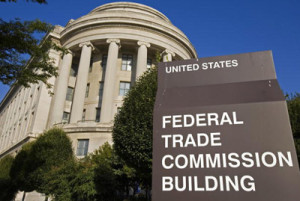 On November 19, 2010, the Federal Trade Commission (FTC) issued 16 C.F.R. Part 322, the Mortgage Assistance Relief Services Rule (MARS) concerning providers of mortgage relief service. While many relief providers are legitimate, “At a time when many Americans are struggling to pay their mortgages, peddlers of so-called mortgage relief services have taken hundreds of millions of dollars from hundreds of thousands of homeowners without ever delivering results,” FTC Chairman Jon Leibowitz said. Unlike an attorney assisting a client in a loan modification or short sale effort, many mortgage relief services do not have a good understanding of the consistently changing rules and laws (both state and federal) involving mortgages and foreclosures and are not subject to code of ethics.
 According to
  For even more information, look at the government’s website
  A Seattle law firm, Hagens Berman Sobol & Shapiro, has filed a lawsuit against Bank of America over its apparent failure to satisfactorily distribute TARP funds to stem foreclosures.